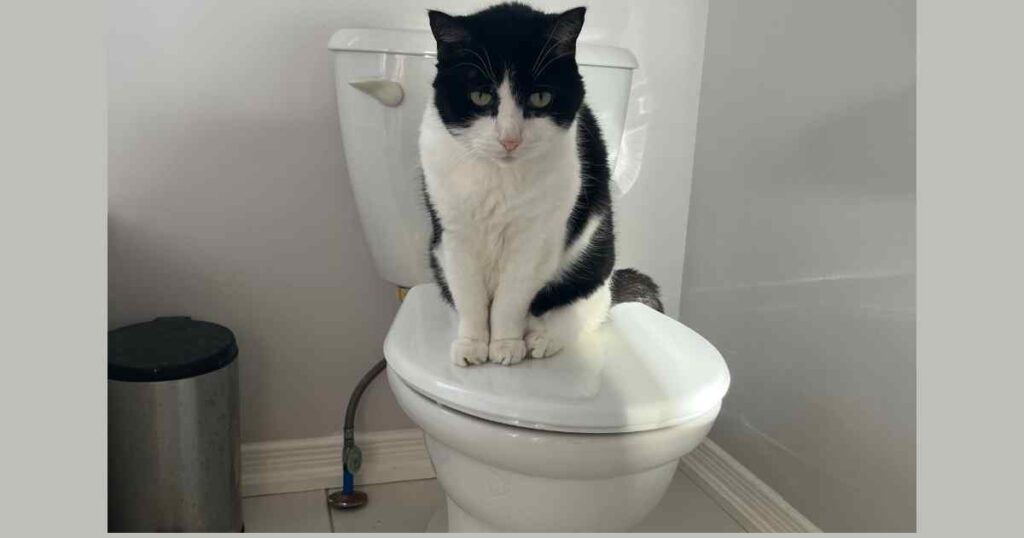
Training a cat to use the toilet might sound surprising at first, but it’s a real and growing trend among cat owners around the world. The concept, commonly searched as “chat toilette”, refers to teaching a cat to use a human toilet instead of a traditional litter box. From viral videos to dedicated training kits, chat toilette has become a popular topic for pet lovers who want a cleaner, odor-free, and eco-friendly home.
If you’ve ever wondered what chat toilette means, how it works, or whether it’s safe for cats, this complete guide is for you. In this article, you’ll learn everything—from the meaning of the term to step-by-step training methods, benefits, challenges, and expert tips. Whether you’re just curious or seriously considering toilet training your cat, this page covers it all in one place.
What Is “Chat Toilette”?
The term chat toilette comes from French: Chat = Cat and Toilette = Toilet or hygiene. Depending on context, chat toilette can mean two things:
- Cat hygiene or grooming
- A cat using a toilet, especially a human toilet
In modern search usage, especially on Google and YouTube, chat toilette most commonly refers to toilet-trained cats—cats that are taught to use a standard toilet instead of a litter box.
Why Do People Train Cats to Use the Toilet?
Toilet training a cat isn’t just a novelty—it comes with several practical benefits. Many cat owners choose chat toilette for convenience, cleanliness, and environmental reasons.
1. No More Litter Boxes
One of the biggest motivations is eliminating the litter box entirely. Traditional litter boxes require:
- Daily scooping
- Regular cleaning
- Constant litter refills
2. Reduced Odor and Mess
Even high-quality litter can produce odors over time. Litter tracking on floors is another common frustration. Using the toilet means:
- No litter smell
- No scattered litter
- A cleaner home overall
3. Eco-Friendly Choice
Cat litter contributes to waste and environmental pollution. Many litters are:
- Non-biodegradable
- Made from strip-mined clay
Training your cat to use the toilet significantly reduces waste, making chat toilette a more eco-friendly option.
4. Cost Savings Over Time
While cat toilet training kits have an initial cost, they can save money long term by eliminating the need to buy:
- Litter
- Litter liners
- Odor control products
5. Fun, Interesting, and Impressive
Let’s be honest—watching a cat use the toilet is fascinating. Many owners enjoy:
- Sharing videos
- Showing friends
- Enjoying the novelty
This is one reason chat toilette content performs so well online.
7 Tips to Train Your Cat to Use the Toilet
Training a cat to use the toilet is a gradual process that requires patience, consistency, and close observation. Rushing the steps can cause stress and setbacks, so it’s important to let your cat progress at their own pace. Most successful cat training journeys take 4 to 8 weeks, sometimes longer.
Below is a proven, easy-to-follow step-by-step method used by cat owners worldwide.
1: Make Sure Your Cat Is Ready
Before starting toilet training, confirm that your cat is physically and mentally prepared.
Your cat is ready if:
- They consistently use the litter box
- They are at least 3–4 months old
- They are healthy and mobile
- They show curiosity rather than fear around the bathroom
If your cat avoids the bathroom or becomes anxious around new changes, give them time to adjust before starting.
2: Move the Litter Box Closer to the Toilet
The first transition is simple but important.
What to do:
- Place the litter box in the bathroom
- Keep it close to the toilet
- Maintain the same litter type your cat already uses
This step helps your cat associate the bathroom with toileting, which is essential for successful chat toilette training.
⏱️ Time frame: 2–3 days (or longer if needed)
3: Gradually Raise the Litter Box
Once your cat is comfortable using the litter box in the bathroom, it’s time to raise it.
How to do it:
- Place sturdy items (books, boxes, or platforms) under the litter box
- Raise it by 2–3 inches every few days
- Continue until the box is level with the toilet seat
This helps your cat get used to jumping and balancing at toilet height.
⚠️ Make sure everything is stable. A falling box can frighten your cat and ruin progress.
4: Introduce the Toilet Training Tray
This is where real chat toilette training begins.
Most cat toilet training kits include a tray that sits securely on the toilet seat. These trays mimic the feel of a litter box but are placed directly over the toilet.
What to do:
- Remove the litter box
- Place the training tray on the toilet
- Add a small amount of litter
Let your cat explore and use the tray naturally. Do not force them.
5: Reduce the Amount of Litter
Cats rely on texture under their paws. Reducing litter gradually helps them adapt.
How it works:
- Use less litter every few days
- Avoid sudden changes
- Watch your cat’s behavior closely
If your cat hesitates, slow down. Comfort is more important than speed.
6: Gradually Increase the Hole Size
Most training kits use a gradual hole system.
Process:
- Start with a solid tray
- Move to a small hole
- Gradually increase the hole size
- Eventually remove the tray entirely
This step trains your cat to balance on the toilet seat and eliminates the need for litter.
7: Transition to the Bare Toilet Seat
Once the tray is removed, your cat should be comfortable using the toilet directly.
Final tips:
- Keep the toilet seat up at all times
- Ensure the bathroom door stays open
- Flush regularly
- Clean the seat daily
Congratulations—your cat is now toilet trained!
Popular Chat Toilette Training Methods
There are two main ways to train a cat to use the toilet:
Using a Cat Toilet Training Kit (Recommended)
These kits usually include:
- Stackable trays
- Gradual hole systems
- Detailed instructions
They are designed to:
- Reduce stress
- Maintain balance
- Allow gradual adaptation
DIY Toilet Training Method
Some owners create homemade solutions using:
- Plastic containers
- Disposable trays
- Custom cut holes
While possible, DIY methods require more effort and careful supervision.
Common Mistakes to Avoid During Training a Cat
Even well-meaning owners can make mistakes. Avoiding these will significantly increase your success rate.
1. Rushing the Process
Every cat learns at a different pace. Moving too fast can cause fear or accidents.
2. Forcing Your Cat
Never place your cat on the toilet against their will. Training must be voluntary.
3. Changing Too Many Things at Once
Avoid changing:
- Litter type
- Bathroom location
- Tray style
Consistency builds confidence.
4. Ignoring Stress Signals
Signs of stress include:
- Refusing to use the toilet
- Going outside the bathroom
- Excessive meowing
- Hiding
If you notice these, pause training and return to the previous step.
Which Cats Are Best for Training?
Not every cat is an ideal candidate. The best cats for toilet training usually share these traits:
Ideal Characteristics
- Young or adult cats (not kittens under 3 months)
- Curious and adaptable personality
- Already comfortable using a litter box
- Healthy joints and mobility
- Calm around bathrooms and household noises
Cats That May Struggle
- Senior cats
- Cats with anxiety
- Cats with physical limitations
- Very shy or easily stressed cats
Understanding your cat’s personality is essential before starting chat toilette training.
How Long Does Chat Toilette Training Take?
There’s no universal timeline, but most cats take:
- Minimum: 3–4 weeks
- Average: 6–8 weeks
- Some cats: 10+ weeks
Patience is the key to success.
What If My Cat Refuses Toilet Training?
Not all cats will accept toilet training, and that’s okay.
If your cat consistently resists:
- Stop training
- Return to a litter box
- Consider alternative solutions like low-tracking or odor-control litter
A happy, stress-free cat is more important than toilet training.